
Dog Water Intake Calculator
How to Use the Dog Water Intake Calculator
Enter your dog's weight
Enter your dog's current body weight and select pounds (lb) or kilograms (kg). Weight provides a useful starting point for estimating daily water needs.
Choose your dog's diet and activity
If available, select your dog's main food type and activity level. Dogs eating wet food may drink less from their bowls, while exercise and hot weather can increase water needs.
Calculate daily water needs
View the estimated daily water range and compare it with your dog's usual drinking habits. Always provide fresh water, and consult your veterinarian about unexplained changes.
How to Use the Dog Water Intake Calculator
Enter your dog's weight
Enter your dog's current body weight and select pounds (lb) or kilograms (kg). Weight provides a useful starting point for estimating daily water needs.
Choose your dog's diet and activity
If available, select your dog's main food type and activity level. Dogs eating wet food may drink less from their bowls, while exercise and hot weather can increase water needs.
Calculate daily water needs
View the estimated daily water range and compare it with your dog's usual drinking habits. Always provide fresh water, and consult your veterinarian about unexplained changes.
How Much Water Should Your Dog Drink Each Day?
Fresh water is essential for your dog’s health, helping regulate body temperature, support digestion and maintain normal bodily functions.
But how much water does a dog actually need each day?
The answer depends on several factors, including body weight, food type, activity level, weather and overall health.
As a general reference, many healthy adult dogs consume approximately 40–60 millilitres of water per kilogram of body weight each day under ordinary conditions.
The Wagmellow Dog Water Intake Calculator helps you estimate daily hydration needs and understand what might influence your dog’s drinking habits.
Remember: A calculator provides a general reference, not a daily drinking limit. Your dog should normally have access to fresh, clean water throughout the day.
How Does the Dog Water Intake Calculator Work?
A simple weight-based estimate starts with your dog’s body weight in kilograms.
Estimated daily water intake (mL) = Body weight (kg) × 40–60
For example, a dog weighing 20 kg (approximately 44 lb) has a general daily reference range of:
Lower estimate: 20 × 40 = 800 mL
Upper estimate: 20 × 60 = 1,200 mL
Estimated daily range: 800–1,200 mL (0.8–1.2 litres)
This is approximately 3.4–5.1 US cups.
Water from moist food also contributes to hydration, so the amount your dog drinks directly from a bowl may be lower than the total water consumed.
Activity, temperature and individual health can change these estimates considerably.
Never limit your dog’s water to match a calculator result unless your veterinarian has specifically directed you to do so.
Why Your Dog's Diet and Activity Matter
Everyday Hydration
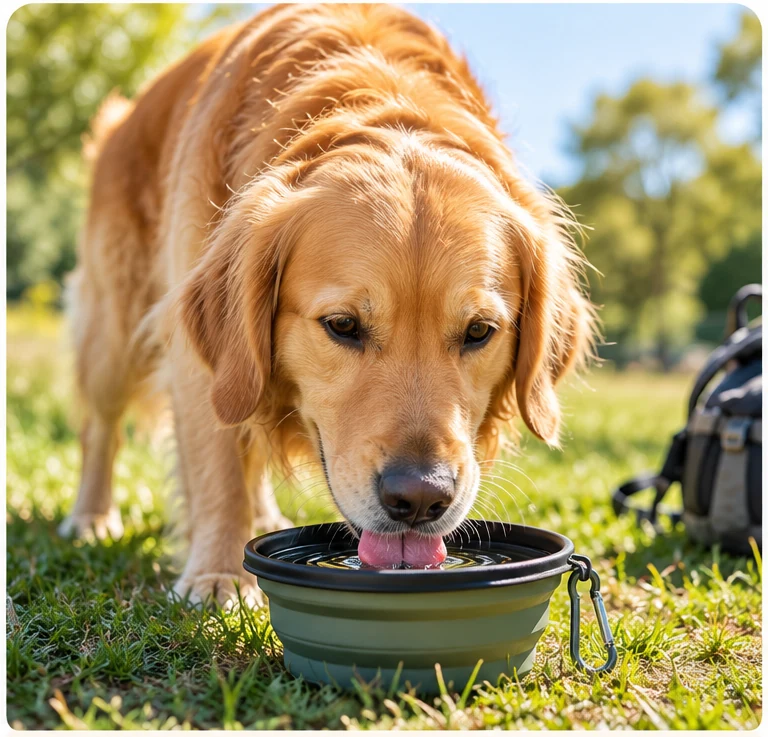
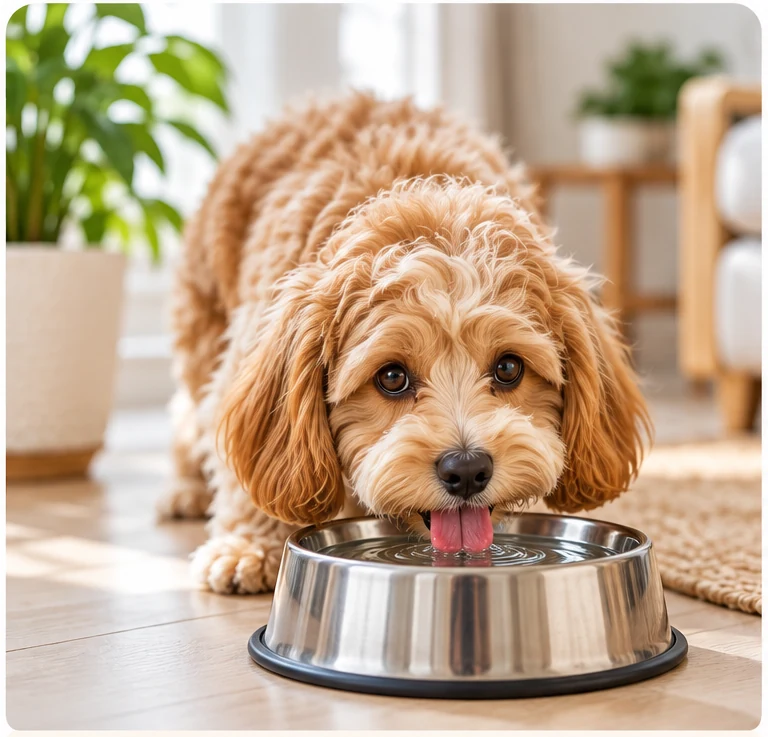
Dogs eating dry food often obtain more of their daily water by drinking, while wet food contributes additional moisture.
Active Dogs & Warm Weather
Exercise, panting and warm weather can increase fluid losses, making convenient access to fresh water especially important.
What Affects How Much Water Your Dog Drinks?
Every dog has slightly different drinking habits. Understanding the main factors can help you recognise what is normal for your pet.
1. Body Weight: Larger dogs generally need more water overall because of their greater body mass. However, two dogs of the same weight may drink different amounts depending on their lifestyle, diet and environment.
2. Dry Food vs Wet Food: Dry kibble usually contains much less moisture than canned or wet food. Dogs eating mostly wet food may drink less directly from their water bowls because a greater proportion of their hydration comes from meals. This doesn't necessarily mean they are dehydrated.
3. Activity and Exercise: Running, playing and long walks increase water loss through panting and other bodily processes. Offer fresh water regularly during outdoor activities and allow your dog to drink comfortably.
4. Hot Weather: Warm weather increases the risk of dehydration and heat-related illness. Keep drinking water readily available, provide shade and avoid strenuous exercise during the hottest parts of the day. Never leave your dog unattended in a parked car.
5. Age and Health: Puppies, senior dogs and dogs with medical conditions may have different hydration needs. Certain medications and health problems can also increase or decrease thirst. If your veterinarian has prescribed a specific fluid-management plan, follow that advice instead of a general calculator estimate.
How to Monitor Your Dog's Daily Water Intake
If you’re concerned that your dog is drinking unusually little or unusually much, keeping a simple record can help.
Measure how much water you place in your dog’s bowl at the start of the day.
Record additional water each time you refill it.
After 24 hours, measure how much remains and subtract it from the total supplied.
Account for spills, other pets and additional drinking sources where possible.
Repeat for several days to understand your dog’s usual pattern.
A drinking log is especially helpful when discussing unusual thirst with your veterinarian.
Remember that water obtained from food is not included in a simple bowl-drinking measurement.
When Should You Be Concerned About Excessive Thirst?
Dogs may drink more than usual after exercise, during hot weather or when eating dry food.
However, persistent unexplained increases in water consumption may indicate an underlying health problem.
Veterinary references commonly use drinking more than approximately 100 mL per kilogram of body weight in 24 hours as a possible indicator of excessive thirst, known as polydipsia.
This is not a diagnostic threshold. A smaller but significant change from your dog’s usual drinking pattern may also require evaluation.
Contact your veterinarian if you notice:
Drinking much more than usual without an obvious reason
Frequent urination or unexpected indoor accidents
Unexplained weight loss
Vomiting or changes in appetite
Unusual tiredness or weakness
A sudden decrease in drinking
Seek urgent veterinary care if your dog shows signs of heatstroke, collapse, severe weakness or an inability to keep water down.
Simple Tips to Keep Your Dog Hydrated
Keep clean, fresh water available throughout the day.
Wash water bowls regularly.
Offer water during and after walks.
Carry a portable bowl when travelling.
Provide shade and rest during warm weather.
Monitor drinking habits when changing your dog’s diet.
Contact your veterinarian about sudden or persistent changes.
Important: Never intentionally restrict drinking water to force your dog’s intake into a calculator’s suggested range.
Frequently Asked Questions
How much water should a dog drink each day?
Many healthy dogs consume approximately 40–60 mL of water per kilogram of body weight daily under ordinary conditions. Actual intake varies with food moisture, activity, weather and health, so the estimate should never be treated as a drinking limit.
How much water should a 20 kg dog drink?
A broad 40–60 mL/kg reference gives approximately 800–1,200 mL per day for a 20 kg dog. This includes water obtained from food, and individual needs may differ.
Do dogs eating wet food need less drinking water?
Dogs eating wet food often drink less from their bowls because the food itself contains substantial moisture. Fresh drinking water should still be available at all times.
Why is my dog drinking more water than usual?
Hot weather, increased exercise and diet changes can affect thirst. Persistent or unexplained increases may also be associated with medical conditions or medications, so speak with your veterinarian.
How can I tell if my dog is dehydrated?
Possible signs include unusual lethargy, dry or sticky gums, weakness and reduced urination. Signs are not always reliable at home. If your dog seems unwell, cannot keep water down or may be suffering from heat illness, seek prompt veterinary help.
Can dogs drink too much water?
Yes. Persistent excessive thirst may indicate an underlying health problem, and rapidly consuming excessive quantities can also be dangerous. Seek veterinary guidance for unusual drinking patterns or concerning symptoms.