
Dog Age Calculator
How to Use the Dog Age Calculator
Enter your dog's age
Enter your dog's age in years. If you adopted your dog and don't know their exact birthday, use your veterinarian's best age estimate.
Select your dog's size
Choose small, medium, large or giant. Dogs of different sizes can age at different rates, especially as they get older.
Discover the results
See an estimated human-equivalent age and life stage, along with useful information about caring for your dog as they grow.
How to Use the Dog Age Calculator
Enter your dog's age
Enter your dog's age in years. If you adopted your dog and don't know their exact birthday, use your veterinarian's best age estimate.
Select your dog's size
Choose small, medium, large or giant. Dogs of different sizes can age at different rates, especially as they get older.
Discover the results
See an estimated human-equivalent age and life stage, along with useful information about caring for your dog as they grow.
Is One Dog Year Really Seven Human Years?
Dog Years vs Human Years
You’ve probably heard that one dog year equals seven human years. It’s a popular shortcut, but dog ageing isn’t quite that simple.
Dogs mature much more quickly during their early years, and their rate of ageing changes as they grow older. Size and breed also matter, which is why two dogs of the same age can be at different stages of life.
For example, a small dog and a giant-breed dog may both be eight years old, but they may have very different age-related care needs.
Why does dog size matter?
Small Dogs
Often have longer expected lifespans and may enter their senior years later.
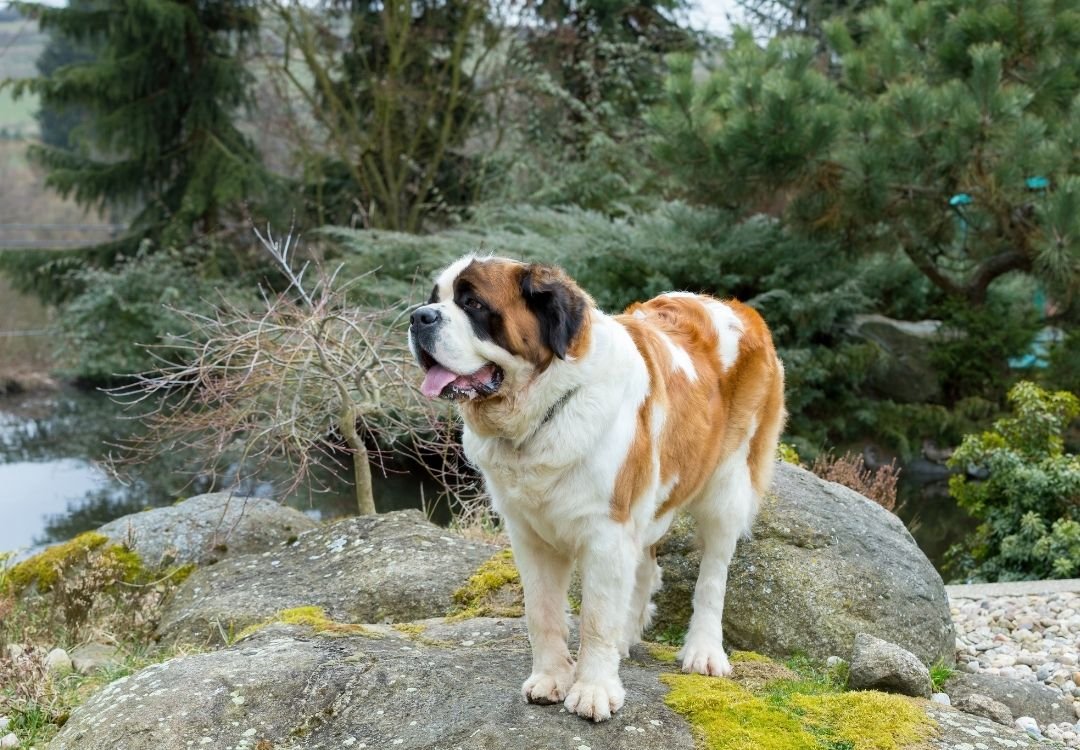
Large & Giant Dogs
Often have shorter expected lifespans and may need senior-focused care earlier.

Understanding Your Dog’s Life Stage
Knowing your dog’s life stage can help you make informed decisions about nutrition, activity, preventive care and regular veterinary check-ups.
Puppy: Rapid growth, learning and early development
Young adult: Physical and social maturation
Mature adult: Maintaining health, weight and activity
Senior: Greater attention to age-related health changes
The boundaries between these stages vary by breed, size and individual health. AAHA defines senior status in relation to a dog’s expected lifespan, rather than one universal birthday.
Caring for your dog as they age
A few habits can help support your dog throughout life: maintaining a healthy body condition, providing appropriate exercise and mental stimulation, keeping up with dental care, and attending regular veterinary visits. Ask your vet when age-related screening or changes to your dog’s care routine may be appropriate.
Frequently Asked Questions
How old is a 1-year-old dog in human years?
A one-year-old dog is often compared with a human teenager, rather than a seven-year-old child. An exact equivalent isn’t possible because dogs develop differently from humans.
Is the 7 dog years rule accurate?
No. Multiplying by seven doesn’t reflect dogs’ rapid early development or differences in ageing between breeds and sizes.
Do smaller dogs age more slowly than bigger dogs?
Smaller dogs generally tend to live longer than large and giant breeds. Differences in ageing become particularly important later in life.
When is a dog considered a senior?
It depends on breed, size and expected lifespan. Larger dogs may enter their senior stage earlier. A veterinarian can help determine the appropriate care stage for your dog.
Can I calculate the age of a mixed-breed dog?
Yes. You can select the size category that best matches your dog. The result remains an approximation, especially if your dog’s age is uncertain.
Can a veterinarian determine my rescue dog's age?
A veterinarian can estimate age using dental development and wear, body condition, physical examination and other clues. Estimates become less precise in adult dogs.