
Dog Collar & Harness Size Calculator
How to Use the Calculator
Choose your measurement unit
Select inches or centimetres. Use a flexible measuring tape and keep your dog standing comfortably while taking measurements.
Measure neck and chest girth
Measure around the neck where the collar naturally sits, then around the widest part of your dog's chest, just behind the front legs.
Calculate and check the fit
View your measurements, compare them with a manufacturer's sizing chart, and check that the chosen collar or harness fits securely without restricting movement.
How to Use the Calculator
Choose your measurement unit
Select inches or centimetres. Use a flexible measuring tape and keep your dog standing comfortably while taking measurements.
Measure neck and chest girth
Measure around the neck where the collar naturally sits, then around the widest part of your dog's chest, just behind the front legs.
Calculate and check the fit
View your measurements, compare them with a manufacturer's sizing chart, and check that the chosen collar or harness fits securely without restricting movement.
How to Choose the Right Collar and Harness Size for Your Dog
Finding the right collar or harness isn’t just about appearance. A good fit helps your dog stay comfortable, move freely and enjoy safer everyday walks.
A collar that’s too tight can cause irritation and discomfort, while one that’s too loose may slip over your dog’s head. Similarly, an incorrectly fitted harness can rub against the skin, restrict movement or allow your dog to escape.
The Wagmellow Dog Collar & Harness Size Calculator helps you measure your dog’s neck and chest so you can compare those measurements with the sizing charts provided by pet gear manufacturers.
Why Do Neck and Chest Measurements Matter?
Neck Girth
Neck girth is the circumference around your dog’s neck where a regular collar naturally rests.
This measurement helps you choose an adjustable collar that sits comfortably without being too loose or too tight.
Chest Girth
Chest girth is the circumference around the widest part of your dog’s rib cage, usually just behind the front legs.
This is one of the most important measurements when choosing a dog harness. Harness manufacturers may also require measurements around the base of the neck.
Remember that collar and harness sizing varies between manufacturers. Your dog’s measurements are more reliable than choosing a size based only on breed or body weight.
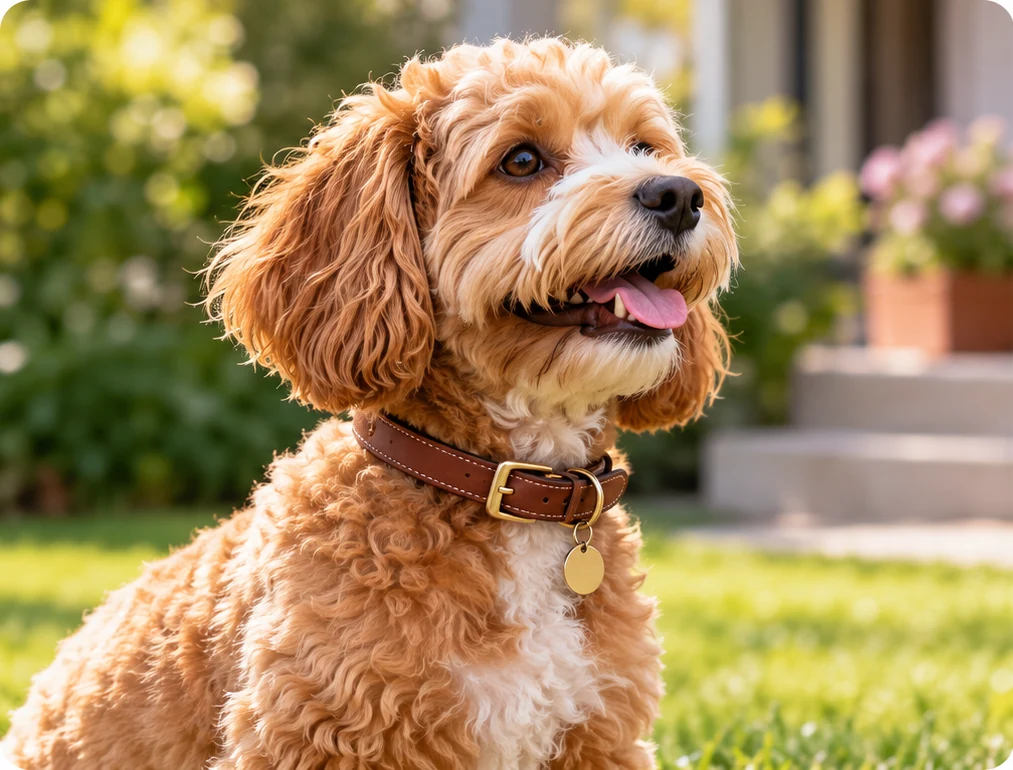
Dog Collars
Neck measurement is the key starting point for selecting a properly fitted collar.
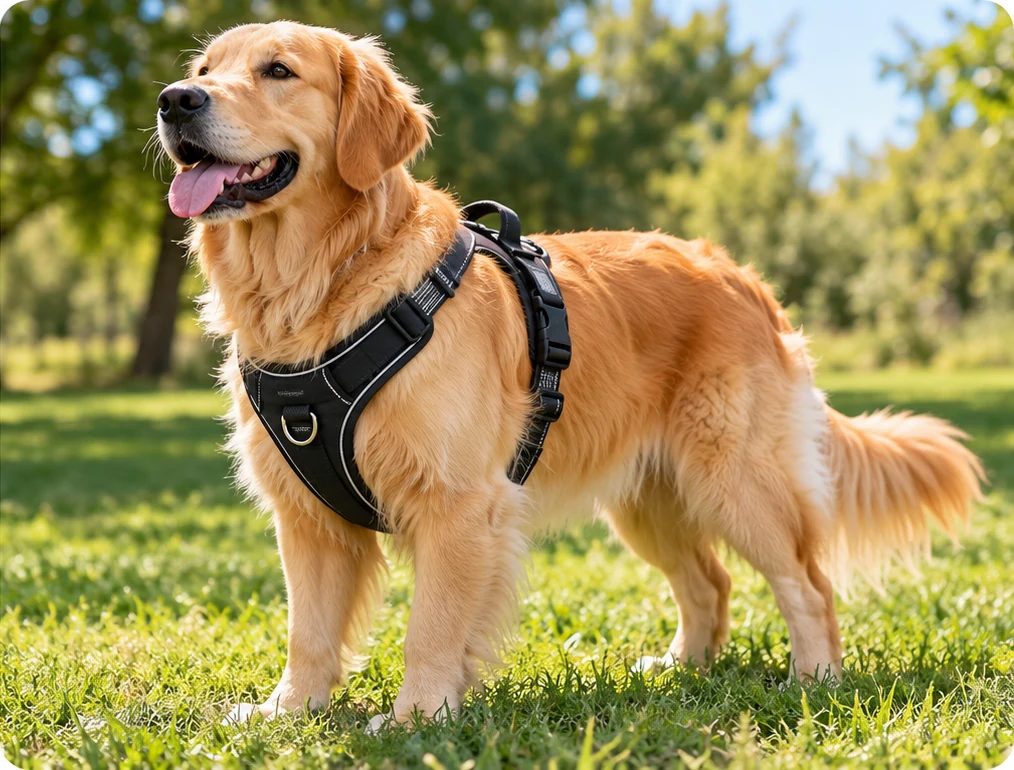
Chest Girth
Chest girth and the harness design help determine a comfortable and secure fit.
How to Measure Your Dog for a Collar or Harness
Accurate measurements help you choose dog accessories that fit comfortably and securely.
Measuring Your Dog's Neck
Ask your dog to stand naturally and remain calm.
Wrap a soft measuring tape around the neck where the collar will sit.
Keep the tape close to the fur without pulling it tightly.
Record the circumference in inches or centimetres.
Measure again to confirm the reading.
When fitting the actual collar, you should generally be able to slide two fingers comfortably between the collar and your dog’s neck. The collar should also be secure enough that it cannot easily slip over the head.
Measuring Your Dog's Chest
- Have your dog stand upright on a level surface.
- Find the widest part of the rib cage, usually just behind the front legs.
- Wrap the measuring tape around the entire chest.
- Keep the tape level and comfortably snug.
- Record the measurement and compare it with the harness manufacturer’s size chart.
Different harness designs may require additional measurements. Always follow the instructions for the specific product.
What If Your Dog Is Between Sizes?
Choose an adjustable collar or harness with a size range that accommodates your dog’s measurements.
If two sizes overlap, compare their adjustment ranges and follow the manufacturer’s recommendations. Don’t automatically choose a larger product if it could slip off.
Once fitted, check that the gear stays secure while allowing natural walking, running and shoulder movement.
The Two-Finger Fit Check
A commonly used fit check is to slide two fingers beneath the collar or harness straps.
The straps should feel comfortably snug without pinching the skin. You should not have to force your fingers underneath.
For harnesses, also check that the chest straps don’t restrict movement, rub behind the front legs or allow your dog to back out of the harness.
The two-finger rule is a useful starting point, not a substitute for checking the complete fit and the manufacturer’s instructions.
When Should You Measure Again?
Recheck your dog’s collar and harness fit regularly, particularly when:
Your puppy is growing.
Your dog gains or loses weight.
You switch to a different brand or harness design.
Your dog’s coat is clipped or changes significantly.
You notice rubbing, slipping or discomfort.
A few minutes spent checking the fit can make everyday walks more comfortable for your dog.
Frequently Asked Questions
How do I measure my dog for a collar?
Wrap a flexible measuring tape around the neck where the collar naturally sits. Keep it snug without tightening it excessively, record the circumference and compare it with the manufacturer’s sizing chart. Check the fit after putting the collar on.
How do I measure my dog for a harness?
Measure around the widest part of your dog’s chest, usually just behind the front legs. Some harnesses also require a neck measurement. Follow the specific product’s sizing chart.
How tight should a dog collar be?
A common guide is to allow approximately two fingers to fit comfortably underneath the collar. It should not pinch or restrict breathing, but must be secure enough to prevent slipping over the dog’s head.
Are dog collar and harness sizes the same?
No. Collars are primarily sized using neck circumference, while harnesses usually use chest girth and sometimes neck measurements. Labels such as Small and Medium vary across brands.
What if my dog falls between two harness sizes?
Check the adjustment ranges and recommendations from the manufacturer. Choose a size that can be fitted securely without rubbing, restricting movement or allowing your dog to escape.
Is a collar or harness better for walking?
It depends on your dog and the design of the equipment. A well-fitted harness can help distribute leash pressure across the body, while collars are commonly used for identification tags. Dogs with certain physical or behavioural needs may benefit from professional guidance.
How often should I check my puppy's collar size?
Check a growing puppy’s collar frequently, ideally at least weekly during periods of rapid growth. Adjust or replace the collar whenever it becomes too tight or too loose.